Mulberry Growers’ Blogs

Herb Export to Europe: Comprehensive Guide – 11 Tips for Importers

When it comes to herb export to Europe, selecting a supplier for herbs requires businesses that rely on herb export to Europe in Europe to carefully consider the advancements in market development and expansion to ensure they partner with a forward-thinking exporter. Whether in the UK, Germany, Belgium, Netherlands, France, other EU nations, and non-EU nations, Mulberry Growers presents a comprehensive guide on how to get the right suppliers and partners in the business of herb export to Europe.


Technology and Innovation in Herb Importation or Herb Export to Europe


To enhance visibility and control over herb shipments, consider suppliers who implement advanced tracking systems. These technologies provide real-time updates on the location and status of your shipments, minimizing risks of delays or losses. For instance, suppliers in cities like Berlin, Paris, and Amsterdam are increasingly adopting GPS and RFID tracking, which can help streamline operations and ensure timely deliveries. Such systems not only improve operational efficiency but also offer greater transparency throughout the supply chain, which is crucial for businesses that rely on herb export to Europe looking to maintain a high level of customer satisfaction.
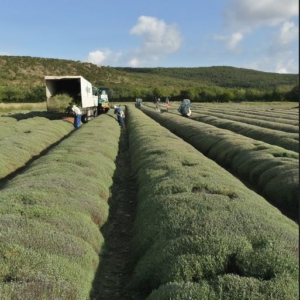
herb export to Europe

Leveraging data analytics can significantly optimize your supply chain operations and market strategies. By analyzing historical data, suppliers in cities such as London, Brussels, and Munich can forecast demand more accurately, manage inventory levels efficiently, and identify market trends. This approach allows businesses that rely on herb export to Europe to make informed decisions, reduce waste, and tailor their offerings to meet consumer preferences more effectively. Data-driven insights also facilitate strategic planning and enhance competitive advantage in the herb importation or herb export to Europe market.


Innovative Practices:


Explore suppliers who utilize cutting-edge packaging technologies to improve herb preservation and extend shelf life. Innovations such as vacuum-sealing and oxygen-absorbing materials help maintain the freshness and potency of herbs during transit and storage. Suppliers from regions like Rotterdam, Lyon, and Frankfurt are at the forefront of adopting these technologies. Enhanced packaging not only ensures the quality of the herbs but also contributes to sustainability by reducing waste and improving the overall customer experience.


Adopting innovative processing techniques can elevate the quality of herbs. Suppliers who implement advanced methods like freeze-drying and supercritical CO2 extraction ensure that herbs retain their essential oils and nutrients. Cities such as Antwerp, Munich, and Paris are known for their commitment to processing innovations, which enhance the flavor, potency, and efficacy of the herbs. By selecting suppliers who embrace these techniques, businesses that rely on herb export to Europe can offer superior products and gain a competitive edge in the herb market.


 Competitive Analysis of Herb Suppliers


Identifying the factors that give competitors a competitive edge in the herb market is crucial. Look for suppliers who have established a strong market presence through unique selling propositions such as exclusive herb varieties or superior quality standards. For instance, suppliers in cities like London, Berlin, and Brussels often differentiate themselves through their sourcing practices or product certifications. Understanding these factors can help you choose a supplier that not only meets your needs but also stands out in a competitive landscape.


Analyzing the strategic initiatives of leading herb suppliers provides insights into successful market approaches. Leading suppliers often invest in sustainability, innovation, and customer engagement to enhance their market position. For example, suppliers in Paris, Amsterdam, and Antwerp may focus on eco-friendly practices or advanced product development to stay ahead. By examining these initiatives, you can align with suppliers who are strategically positioned for long-term success and can offer added value to your business.


Benchmarking:

In herb export to Europe, benchmarking performance metrics against leading suppliers is essential for assessing potential partners. At Mulberry Growers, we offer the key metrics to consider as delivery reliability, product quality, and customer service. Suppliers in cities such as Frankfurt, Brussels, and London may have established benchmarks for these metrics. Evaluating how potential suppliers perform relative to industry leaders ensures that you select a partner who meets high standards and can consistently deliver quality herbs.


Adopting best practices from successful competitors can enhance your supplier selection process is also critical in herb export to Europe. This includes learning from industry leaders’ approaches to quality control, supply chain management, and customer relations. Suppliers in cities like Amsterdam, Paris, and Berlin often implement best practices that can serve as benchmarks for your own operations. By integrating these practices into your supplier evaluation criteria, you can improve your procurement strategy and ensure a successful partnership with your chosen herb suppliers.
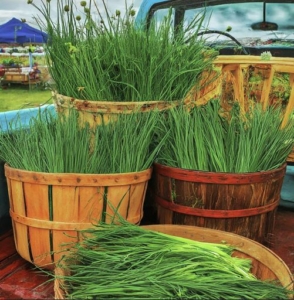
 

herb export to Europe

Product Lifecycle Management


Successfully launching new herb products in the European market requires a strategic approach. Begin by conducting thorough market research to identify consumer needs and preferences in key cities like London, Berlin, and Paris when dealing with herb export to Europe. Develop a marketing plan that highlights the unique benefits of the new product, tailored to regional tastes and trends. This includes creating compelling product packaging, crafting targeted advertising campaigns, and establishing partnerships with local distributors. Additionally, leveraging digital platforms and social media to generate buzz and engage with potential customers before the launch can create anticipation and drive initial sales. A well-coordinated launch strategy ensures a strong market entry and sets the stage for long-term success.


Lifecycle Monitoring


Effective lifecycle monitoring is essential for managing herb products throughout their market presence. Implementing techniques such as sales tracking, customer feedback analysis, and performance metrics allows businesses that rely on herb export to Europe to evaluate how products are performing in cities like Amsterdam, Milan, and Vienna. Regularly review product data to identify trends, such as changes in consumer preferences or seasonal variations, and adjust marketing and inventory strategies accordingly during phases of herb export to Europe. Utilizing advanced analytics and reporting tools can help businesses that rely on herb export to Europe make informed decisions about product improvements or phase-outs. Monitoring the lifecycle ensures that products remain competitive and relevant, optimizing their success in the European market.


End-of-Life Management


Managing products nearing the end of their lifecycle involves strategic planning to minimize waste and maximize value. For herb products in Europe, businesses that rely on herb export to Europe should consider options such as discounting remaining stock, repurposing or reformulating products, or donating unsold goods to charitable organizations. Additionally, phase-out strategies should include clear communication with distributors and customers about product discontinuation. Implementing a structured end-of-life plan helps ensure a smooth transition, reduces the impact on inventory levels, and maintains customer satisfaction. Properly managing end-of-life stages allows businesses that rely on herb export to Europe to focus resources on new product development and market opportunities.


Supply Chain Transparency

Traceability Systems

Implementing traceability systems is crucial for tracking herbs from their origin to the end consumer in the European market. These systems involve recording and monitoring every stage of the herb’s journey, from farm to table, ensuring transparency and accountability. Technologies such as barcoding, RFID tags, and GPS tracking can help businesses that rely on herb export to Europe in cities like Paris, Berlin, and Milan verify the provenance and quality of their products. Effective traceability systems enable businesses that rely on herb export to Europe to quickly address any issues related to quality or safety, enhance consumer trust, and comply with regulatory requirements, ultimately supporting a more transparent and reliable supply chain.


Consumer Transparency

Enhancing consumer trust through transparent practices and clear labeling is essential for businesses that rely on herb export to Europe in Europe. Providing detailed information about the origin, quality, and production processes of herbs helps build credibility with consumers. Clear labeling should include data on sourcing, ingredient lists, and certifications such as organic or fair trade. In cities like Amsterdam, Barcelona, and Vienna, where consumer expectations for transparency are high, businesses that rely on herb export to Europe must ensure that their product information is accurate and readily accessible. By adopting transparent practices, companies can foster trust, differentiate themselves in the marketplace, and meet growing consumer demand for ethical and well-sourced products.


Blockchain Technology

Exploring blockchain technology can significantly improve supply chain transparency for herb businesses that rely on herb export to Europe. Blockchain offers a decentralized and immutable ledger system that records every transaction in the supply chain, from production to distribution. In European cities like London, Paris, and Berlin, adopting blockchain technology enables businesses that rely on herb export to Europe to provide verifiable and tamper-proof records of their herbs’ journey. This technology enhances traceability, reduces the risk of fraud, and builds consumer confidence by offering a transparent view of the product’s lifecycle. Implementing blockchain solutions can also streamline compliance with regulatory requirements and support more efficient and trustworthy supply chain management.


Exporter Relationships and Negotiations

Supplier Relations

Building Partnerships: Establishing robust relationships with herb exporters like Mulberry Growers is also crucial for ensuring a reliable and consistent supply chain. By focusing on creating long-term partnerships, businesses that rely on herb export to Europe in Europe, whether they are sourcing herbs from the UK, such as London, Birmingham, or Manchester, or from cities in Germany like Berlin, Hamburg, and Munich, can benefit from improved communication and trust. Such relationships often lead to better pricing, priority during high-demand periods, and personalized service, which can enhance the overall efficiency and reliability of your supply chain.


Negotiation Tactics: Effective negotiation tactics are essential for securing favorable terms when dealing with herb exporters. Employ strategies such as leveraging bulk purchasing to negotiate better rates or exploring multi-year agreements to lock in competitive prices. For businesses that rely on herb export to Europe sourcing from various regions like the Netherlands (Amsterdam, Rotterdam) or Belgium (Brussels, Antwerp), it’s beneficial to understand local market dynamics and customs. Tailoring your negotiation approach to the specific exporter’s business practices and economic conditions can lead to mutually beneficial agreements that support long-term success.


Contract Management

Contract Clauses: Including key clauses in contracts with herb exporters is vital to protect your interests and ensure product quality. Essential clauses might include detailed specifications on herb quality, delivery schedules, and compliance with health regulations. Additionally, consider including clauses on penalties for non-compliance and terms for regular quality audits. For businesses that rely on herb export to Europe importing from France, Germany, or the Netherlands, such as from Paris, Berlin, or Amsterdam, these clauses help in maintaining clear expectations and can serve as a basis for resolving issues should they arise.


Dispute Resolution: Developing effective mechanisms for resolving disputes with herb exporters is critical for maintaining smooth operations. Contracts should outline clear procedures for addressing conflicts, such as mediation or arbitration, to ensure swift and fair resolutions. Establishing these processes in advance helps prevent prolonged disputes that could disrupt the supply chain. When working with exporters in major European cities like London, Paris, or Brussels, having a well-defined dispute resolution strategy can safeguard against potential challenges and foster a more cooperative business relationship.


Environmental Considerations in Herb Importation or herb export to Europe

Sustainable Practices

Eco-Friendly Sourcing: Sourcing herbs from environmentally responsible sources is increasingly important for businesses that rely on herb export to Europe committed to sustainability. Prioritize suppliers who use eco-friendly farming practices and offer certifications such as organic or fair trade. In Europe, sourcing from regions like the UK’s Scotland, France’s Provence, or Germany’s Baden-Württemberg ensures that your herbs are grown with minimal environmental impact. Implementing eco-friendly sourcing not only aligns with global sustainability trends but also appeals to environmentally-conscious consumers.
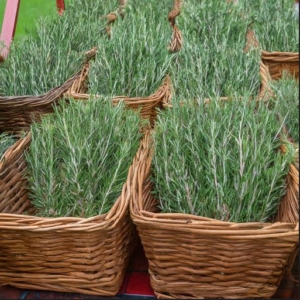
herb export to Europe

Packaging Waste Reduction: Reducing packaging waste through sustainable practices is a key consideration in herb importation or herb export to Europe. Opt for suppliers who use recyclable or biodegradable packaging materials and work towards minimizing packaging size. By focusing on suppliers that emphasize packaging waste reduction, businesses that rely on herb export to Europe can contribute to environmental conservation and potentially reduce overall costs. This approach is applicable to various regions, including the Netherlands (Rotterdam) and Belgium (Antwerp), where businesses that rely on herb export to Europe are increasingly prioritizing sustainability in their supply chain practices.


Regulatory Compliance

Environmental Regulations: Adhering to environmental regulations is crucial in herb importation or herb export to Europe to ensure compliance with European standards. Regulations may vary by country, but all focus on reducing environmental impact and ensuring sustainable practices. For example, importing herbs from France or Germany requires compliance with EU regulations concerning pesticide use and organic certification. Staying updated on these regulations helps avoid legal complications and supports responsible sourcing practices, thereby enhancing your company’s reputation and operational efficiency.


Certification Requirements: Obtaining certifications for environmental compliance is an important step in the herb importation or herb export to Europe process. Certifications such as EU Organic, Fair Trade, or Rainforest Alliance demonstrate a commitment to environmental and ethical standards. For businesses that rely on herb export to Europe operating in Europe and sourcing from various countries, such as the UK, France, or Germany, these certifications not only ensure compliance with environmental laws but also enhance the credibility and marketability of your products. Ensuring that your suppliers hold relevant certifications can provide assurance of their adherence to high environmental standards.


Market Development and Expansion


Growth Opportunities

Exploring growth opportunities is crucial when selecting a supplier. Look for exporters who are adept at identifying new market segments for their herb offerings. For instance, a supplier with a strong presence in London, Paris, and Berlin might demonstrate their ability to tap into emerging trends across these major cities. Additionally, assessing their approach to geographic expansion within the Europe, such as into burgeoning markets in London or Brussels, can reveal their capacity for scaling operations and meeting your evolving demands. Understanding these elements can help ensure that the supplier aligns with your business’s growth objectives.


Strategic Planning

Effective strategic planning is vital for successful market development. Evaluate a supplier’s market entry strategies to ensure they are well-prepared to enter and compete in new markets. For example, a supplier expanding from Antwerp to new regions like Cologne or Lyon should have a clear plan for addressing local market conditions and regulations. Additionally, consider their long-term goals for market development. A supplier with robust plans for growth in key European regions, such as Amsterdam or Cologne, demonstrates a commitment to sustaining and enhancing their market position, which is essential for long-term business success.


Customer Feedback and Quality Improvement

Feedback Mechanisms

Understanding how a supplier handles customer feedback is essential for ensuring product quality and satisfaction. Suppliers who actively use customer surveys to gather insights on their herb products and services demonstrate a commitment to addressing client needs. For example, a supplier servicing markets in cities like London, Paris, and Berlin should regularly conduct these surveys to refine their offerings. Additionally, focus groups can provide deeper insights into customer preferences. A supplier that organizes focus groups in key regions such as Amsterdam or Brussels shows an ability to adapt to specific market demands, enhancing their service and product quality.


Continuous Improvement

A supplier’s approach to continuous improvement based on customer feedback is critical for maintaining high standards. Suppliers who implement quality enhancement processes by integrating customer feedback into their operations demonstrate a proactive approach to excellence. For instance, a supplier catering to major European cities like Cologne or Lyon should have systems in place for ongoing product evaluation and enhancement. Furthermore, leveraging feedback for product development and innovation indicates a supplier’s dedication to evolving their offerings to meet market needs. A supplier’s commitment to these processes ensures that your business receives top-quality products aligned with customer expectations.


Crisis Management

Handling Supply Disruptions

Managing supply disruptions effectively is crucial for businesses that rely on herb export to Europe in Europe, where various factors such as geopolitical tensions, natural disasters, or transport strikes can impact the herb supply chain. Companies operating in major cities like Berlin, Paris, and Milan should develop strategies that include diversifying suppliers across multiple countries to avoid dependency on a single source. Additionally, creating safety stock levels and establishing relationships with alternative logistics providers can help mitigate the impact of disruptions. Proactive communication with customers and stakeholders about potential delays or changes is also essential to maintain trust and manage expectations during supply chain issues.


Reputation Management

In times of crisis, maintaining a positive brand reputation is critical for businesses that rely on herb export to Europe in Europe. For herb importers in cities like Amsterdam, Barcelona, and Vienna, managing reputation involves transparent and timely communication about the crisis, its impact, and the steps being taken to address it. Companies should use various channels, including social media, press releases, and direct customer outreach, to provide updates and reassure stakeholders. Addressing customer concerns empathetically and demonstrating commitment to resolving the issue can help preserve brand loyalty and minimize negative impacts on the company’s image during challenging times.


Emergency Response Plans

Developing effective emergency response plans is essential for handling unexpected events that could disrupt herb businesses that rely on herb export to Europe in Europe. These plans should cover a range of potential scenarios, including natural disasters, supply chain failures, or health crises. For businesses that rely on herb export to Europe in cities like London, Paris, and Berlin, this involves establishing clear protocols for employee safety, securing facilities, and ensuring business continuity. Regularly updating and testing the emergency response plan helps ensure preparedness and resilience. Components of the plan might include evacuation procedures, communication strategies, and coordination with local authorities to swiftly address any immediate threats to operations.


Digital Transformation


Adopting E-Commerce Solutions

Integrating e-commerce solutions into the herb business is increasingly important for reaching a wider audience and enhancing sales efficiency in Europe. In key markets such as London, Paris, and Milan, businesses that rely on herb export to Europe can benefit from setting up robust online platforms or partnering with established e-commerce sites. These solutions facilitate a seamless customer experience from browsing and purchasing to delivery. Additionally, e-commerce platforms offer valuable data insights into consumer behavior and preferences, enabling businesses that rely on herb export to Europe to tailor their products and marketing strategies more effectively to meet the needs of their European customer base.


Leveraging Data Analytics

Utilizing data analytics for informed decision-making is a powerful tool for businesses that rely on herb export to Europe in Europe’s herb industry. By analyzing data from sales, customer feedback, and market trends, companies in cities like Amsterdam, Barcelona, and Vienna can gain insights into consumer preferences and operational efficiencies. Data analytics can aid in optimizing inventory management, forecasting demand, and tailoring marketing strategies. Leveraging these insights helps businesses that rely on herb export to Europe adapt to changing market conditions, improve customer satisfaction, and enhance overall performance, positioning them competitively in the European herb market.


Automating Operations

Implementing automation technologies can greatly enhance efficiency in herb production and distribution across Europe. Automation solutions such as robotic packaging systems, inventory management software, and automated order processing can streamline operations and reduce manual errors. For businesses that rely on herb export to Europe in cities like London, Paris, and Berlin, embracing automation leads to faster production cycles, accurate order fulfillment, and consistent product quality. Additionally, automation can improve operational scalability and adaptability, helping businesses that rely on herb export to Europe meet growing demands and stay ahead of industry trends while ensuring high standards in herb delivery and processing.


Contact Us – We do Herb Export to Europe

herb export to Europe

We will supply your business with basil, rosemary, thyme, sage, oregano, chives, or tarragon herbs in large volumes or any specified quantities in bulk.


To provide your instructions and inquiries, start here:


Herb Importers Middle East: Making an Outstanding Selection in 2024 Qatar | Saudi Arabia | Kuwait | UAE | Bahrain | KSA

Herb Importers Middle East include distributors, wholesalers, and partnerships like those that Mulberry Growers has made in the market as we are a leading exporter of herbs to the Middle East. At Mulberry Growers, we understand that selecting the right herb importer is crucial to your business’s success in the Middle East.


Our guide is designed to help you navigate this decision-making process, ensuring you partner with trustworthy and efficient importers, i.e., “herb importers Middle East” who align with your quality standards and business goals. We care deeply about your success because we believe that strong, reliable partnerships drive mutual growth and excellence. By sharing our insights, we aim to support your business in thriving in the vibrant Middle Eastern market. Read this so that, together, we achieve exceptional results.

herb importers Middle East

1.    Essentials that Importers Must Consider Before Selecting Herb Importers Middle East


Government Policies


When selecting herb importers, businesses in the Middle East should consider trade agreements between their country and herb-exporting nations. These agreements can significantly influence the ease and cost of importing herbs. For instance, bilateral or multilateral trade agreements often reduce tariffs and simplify customs procedures, making the import process more efficient and cost-effective for herb importers Middle East. Understanding these agreements can help businesses negotiate better terms and ensure a steady supply of quality herbs. It is crucial to stay updated on any changes in trade policies that might impact import conditions or availability of specific herbs.


Import restrictions can determine which herbs can be brought into a country. Each country in the region has its own set of rules and limitations regarding herb imports, for example, herbs with certain psychoactive content are mostly prohibited in the Middle East. These restrictions can include bans on certain herbs, limits on quantities, or requirements for specific certifications. Familiarizing yourself with these restrictions is essential to avoid legal complications and ensure compliance with local regulations. Businesses should regularly consult with local trade authorities or import experts to navigate these restrictions effectively and maintain a smooth import process.


Legal Compliance

Importing herbs requires strict attention to documentation. Businesses dealing with herb importers Middle East must prepare and submit several key documents, including customs declarations, health certificates, and possibly phytosanitary certificates. These documents ensure that the herbs meet safety and quality standards for herb importers Middle East. Proper documentation helps in smooth customs clearance and prevents delays. It is essential to work with reliable herb importers Middle East who understand the documentation requirements and can manage this aspect efficiently. Ensuring all paperwork is complete and accurate helps avoid potential issues with customs authorities and facilitates a hassle-free import process.


Compliance with local legislation is also crucial for businesses importing herbs into the Middle East. Each country has specific laws and regulations governing the importation and distribution of herbal products. This includes adherence to safety standards, labeling requirements, and restrictions on certain herbs. Businesses must stay informed about local laws to ensure they meet all legal requirements. Consulting with legal experts or regulatory agencies can help navigate these regulations and ensure full compliance of herb importers Middle East. This proactive approach minimizes the risk of legal issues and helps maintain a good standing with local authorities.


2. Cultural Considerations in Herb Importation

Cultural Preferences

In the Middle East, traditional uses of herbs are deeply rooted in both medicine and cuisine. Many herbs are integral to local practices and recipes, making it important for businesses dealing with herb importers Middle East to identify and import herbs that align with these traditions. Herbs like saffron, cumin, and mint are highly valued for their historical and cultural significance. Understanding these traditional uses helps in selecting herbs that will be well-received by the market. Companies should consider how these herbs fit into local customs and preferences to better tailor their product offerings.

herb importers Middle Eastherb importers Middle East

Addressing cultural sensitivities is crucial when importing herbs into the Middle East. Different cultures within the region may have specific taboos or preferences that impact herb sales. For example, certain herbs may be considered auspicious, while others might be avoided due to cultural beliefs. Being aware of these sensitivities helps in selecting herbs that are culturally acceptable and avoids potential issues. Engaging with local experts or conducting market research on areas that herb importers Middle East target can provide valuable insights into these cultural nuances, ensuring that the herb products are well-received and respectful of local traditions.


Market Adaptation

To successfully market herbs in the Middle East, businesses dealing with herb importers Middle East should adapt their products to fit local tastes and traditional practices. This might involve modifying the form of the herb, such as offering ground herbs instead of whole ones, or packaging them in a way that appeals to local consumers. Customizing products to meet local preferences can enhance their appeal and increase market acceptance among herb importers Middle East. Additionally, incorporating traditional recipes or usage instructions on packaging can make the herbs more relatable and attractive to consumers familiar with traditional uses.


Educating consumers about the benefits and uses of imported herbs is essential for market success. Many consumers may not be familiar with the properties or advantages of new or exotic herbs. Providing clear, accessible information through marketing materials, workshops, or product labels helps bridge this knowledge gap. Highlighting the health benefits, culinary uses, and cultural significance of the herbs can enhance their appeal and encourage their adoption. Effective consumer education fosters trust and helps herb importers Middle East build a loyal customer base, contributing to the overall success of herb importation efforts.


Supply Chain Management in Dealing with Herb Importers Middle East


Logistics Challenges

Transporting herbs across the diverse terrains of the Middle East presents unique logistical challenges. In the UAE and Saudi Arabia, where herb importers Middle East  deal with both arid deserts and bustling urban centers, ensuring that herbs remain fresh during transit requires advanced temperature-controlled shipping solutions. In Bahrain and Kuwait, the challenge often revolves around maritime transport logistics due to their island or coastal nature. Similarly, in Qatar, where rapid urban expansion affects infrastructure, ensuring timely delivery amidst growing traffic congestion can be difficult. Addressing these issues involves a keen approach to route planning and transport technology to mitigate delays and quality deterioration.

herb importers Middle East

The varying climates of the Middle East necessitate specialized storage solutions to preserve the quality of imported herbs obtained from herb importers Middle East. In the UAE and Qatar, where extreme heat can quickly degrade herb quality, climate-controlled warehousing is essential for herb importers Middle East. In Saudi Arabia, with its vast desert regions, warehouses need robust insulation and air conditioning to maintain optimal conditions. Bahrain and Kuwait also face challenges related to humidity and temperature control, requiring tailored storage systems to prevent spoilage. In regions with fluctuating weather, investing in advanced storage technologies is critical to maintaining herb freshness and extending shelf life. These are reasons why effective herb importers Middle East are critical.


Supply Chain Optimization

To optimize the supply chain for herbs in the Middle East, developing efficient transportation routes is crucial. In densely populated areas like the UAE and Qatar, traffic congestion can cause delays, making it important to use real-time traffic data for route planning. In Saudi Arabia and Bahrain, where long distances between cities can impact delivery times, establishing direct routes and leveraging regional distribution hubs can streamline operations. By utilizing advanced logistics software and local knowledge, businesses can minimize transit times and ensure herbs reach their destinations in peak condition.

herb importers Middle East

Effective supplier coordination is key to maintaining the quality and timeliness of herb deliveries. In Kuwait and Qatar, establishing strong relationships with the best herb importers Middle East and having clear communication channels helps in managing supply schedules and quality control. In Saudi Arabia and the UAE, coordinating between international suppliers and local distributors can prevent delays and ensure compliance with local regulations. Implementing integrated supply chain management systems allows for real-time tracking and better coordination, ensuring that herbs are delivered as expected and meet the required quality standards.


Economic Impact of Herb Importation


Market Economics


Impact on Local Markets: Imported herbs have a significant impact on local herb markets across the Middle East. In the UAE and Saudi Arabia, the influx of imported herbs can lead to more competitive pricing and a wider variety of products, influencing local herb markets and potentially driving down prices. In Bahrain and Kuwait, imported herbs often fill gaps in local production, meeting demand for diverse herb varieties. This can affect local suppliers and market dynamics, requiring local businesses dealing with herb importers Middle East to adapt their strategies to stay competitive in the changing market landscape.


Economic Contributions: Herb importation brings substantial economic benefits to both exporting countries and local businesses in the Middle East. In Qatar and the UAE, importation supports local businesses by providing access to high-quality herbs that may not be produced locally. This stimulates growth in the local food and pharmaceutical industries, creating jobs and enhancing economic activity. Exporting countries benefit from increased trade revenues and expanded market access. Therefore, herb importation fosters economic ties and supports industry growth, benefiting all stakeholders involved in the supply chain.


Consumer Spending

Consumer price sensitivity plays a crucial role in herb purchasing habits across the Middle East. In the UAE and Qatar, where disposable incomes are relatively high, consumers may be less sensitive to price fluctuations, focusing more on quality and variety. Conversely, in Saudi Arabia and Bahrain, price sensitivity can influence buying decisions, with consumers opting for more affordable options when prices rise. Understanding these dynamics helps businesses dealing with herb importers Middle East adjust pricing strategies and promotions to cater to different market segments and maximize sales.


The fact that there is growth in herb consumption significantly boosts the economies of the Middle East. In Kuwait and Saudi Arabia, an increasing interest in health and wellness is driving higher demand for herbs, leading to market expansion. This trend results in new business opportunities and investment in the herb sector. Analyzing consumption patterns and growth projections enables businesses dealing with herb importers Middle East to plan and scale operations effectively, capturing market share and responding to evolving consumer preferences. This, in turn, contributes to a dynamic and thriving herb importation industry in the region.


Herbal Trends and Innovations


Emerging Trends

New Herb Varieties: The Middle Eastern market is currently experiencing a surge in interest for novel herb varieties. Consumers are increasingly seeking herbs that offer unique flavors, health benefits, and traditional uses reimagined for modern applications. Varieties such as moringa and ashwagandha are gaining traction due to their nutritional benefits and wide application. Moreover, exotic herbs like rosemary and sage are becoming popular due to their anti-inflammatory and antioxidant properties. Businesses looking to import herbs should stay updated on these trends to align their product offerings with consumer preferences and market demands.

herb importers Middle Eastherb importers Middle East

Innovative Uses: Herbs are no longer confined to traditional culinary roles; their applications have expanded into diverse sectors such as cosmetics and pharmaceuticals. For instance, lavender and chamomile are increasingly used in skincare products for their calming effects, while peppermint and eucalyptus are popular in respiratory health products. Innovations in herbal applications can drive market growth, as consumers seek products that combine natural ingredients with modern benefits. Businesses dealing with herb importers Middle East should explore these innovative uses to diversify their product lines and cater to the evolving demands of the Middle Eastern market.


Market Research

Consumer Preferences: Understanding consumer preferences is crucial for businesses aiming to import herbs into the Middle East. Conducting thorough research on what consumers are looking for in herbal products—such as organic certification, traditional benefits, or novel uses—can guide product selection and marketing strategies. Preferences can vary significantly across different regions, making targeted research essential. Gathering insights into these preferences can help herb importers Middle East tailor their offerings and improve their market positioning.


Market Surveys: Conducting market surveys is an effective way to gauge interest in emerging herb trends and understand market dynamics. Surveys can reveal insights into consumer preferences, potential demand for new herb varieties, and the effectiveness of existing products. By surveying different regions of the Middle East, businesses can obtain a comprehensive view of the market landscape. These insights can inform strategic decisions and help businesses dealing with herb importers Middle East adapt their import strategies to align with regional market needs and trends.


Health and Safety Standards

Ensuring the safety and quality of imported herbs involves rigorous testing protocols. This includes checking for pesticide residues, contaminants, and verifying the overall safety of the herbs. Implementing these protocols is essential to meet the health and safety standards expected in the Middle Eastern market. By adhering to strict testing procedures, businesses can ensure that their products are safe for consumption and meet regulatory requirements. This commitment to quality can help build trust with consumers and establish a strong market presence.

herb importers Middle East

Obtaining health and safety certifications specific to the Middle Eastern market is crucial for herb importers Middle East. Certifications such as ISO, HACCP, and organic certifications can help demonstrate a commitment to quality and safety. These certifications are often required for market entry and can enhance credibility among consumers and business partners. Mulberry Growers has experience in supplying the UAE, Bahrain, Qatar, Kuwait, and Saudi Arabia, and provides you guidelines on the appropriate certifications to ensure compliance with local regulations and increases the likelihood of successful market integration.


Consumer Safety

Accurate and informative labeling is essential for consumer safety and regulatory compliance. Labels that herb importers Middle East use should provide clear information on the herb’s origin, usage instructions, and any potential allergens or side effects. In the Middle Eastern market, adhering to local labeling regulations is critical to avoid legal issues and build consumer trust. Well-labeled products ensure that consumers make informed choices, which can enhance product acceptance and brand loyalty in most regions of the Middle East.


Developing effective recall procedures is an important aspect of consumer safety. In the event of a safety issue or contamination, having a clear and efficient recall process can help address the problem swiftly and mitigate potential risks. Businesses dealing with herb importers Middle East should establish protocols for notifying distributors, retailers, and consumers, and ensure that these procedures comply with local regulations in the Middle East. This preparedness can protect consumers, minimize damage to the brand, and maintain confidence in the safety and quality of imported herbs.

herb importers Middle East

Market Entry Strategies

Partnerships and Ventures: Forming joint ventures with local firms is a strategic approach for entering the Middle Eastern market. These partnerships can provide valuable insights into regional market dynamics, regulatory requirements, and consumer preferences. By collaborating with established local businesses, herb importers Middle East can leverage existing networks and resources to streamline market entry and enhance their competitive edge. This strategy is particularly effective around the Middle East, where local expertise can significantly impact market success.


Distribution Agreements: Establishing distribution agreements with local companies is crucial for efficient market penetration. These agreements can help ensure that herbs reach the intended market segments effectively and promptly. By partnering with local distributors, businesses dealing with herb importers Middle East can benefit from established distribution channels and local market knowledge. This approach not only facilitates smoother operations but also helps in building a robust market presence in key regions


Targeted Advertising: Crafting marketing campaigns tailored to Middle Eastern audiences is essential for successful market entry. Understanding cultural nuances, preferences, and trends can help create advertising strategies that resonate with local consumers. Targeted advertising can increase brand visibility and attract the right customer segments. In diverse markets, localized marketing efforts can enhance engagement and drive sales, ensuring that promotional messages align with regional values and interests.


Promotional Strategies: Utilizing effective promotional strategies is key to introducing new herbs and building brand awareness in the Middle East. Promotions such as product launches, sampling events, and discounts can generate excitement and attract consumer interest. Additionally, leveraging digital marketing channels and social media platforms can amplify promotional efforts and reach a wider audience. Tailoring promotional strategies to the specific preferences and behaviors of consumers in regions like the UAE, Saudi Arabia, Bahrain, Kuwait, and Qatar can help establish a strong market presence and drive growth.


Consumer Behavior Analysis to Conduct when Sourcing from Herb Importers Middle East

Buying Patterns

Purchase Motivations
Understanding the motivations behind herb purchases like food flavoring is crucial for businesses aiming to tap into the Middle Eastern market. In cities like Dubai, Riyadh, and Manama, consumers often seek herbs for their health benefits, such as boosting immunity or aiding digestion. Others are drawn to herbs for their culinary uses, enhancing flavors in traditional dishes. By analyzing these motivations, businesses dealing with herb importers Middle East can tailor their offerings to meet specific consumer needs. For instance, in the UAE, health-conscious consumers may prefer organic or medicinal herbs, while in Bahrain, culinary herbs might be more popular.


Spending Habits
Consumer spending habits on herbs and herbal products vary widely across the Middle East. When doing business in Doha, Kuwait City, and Jeddah, spending patterns can indicate a preference for premium, high-quality herbs, driven by both health concerns and culinary interests. Studying these habits helps businesses identify price points and product ranges that align with consumer expectations. Traders should note that; while luxury herbal blends might find a market in affluent areas of Dubai, more budget-friendly options might cater to broader demographics in Riyadh or Manama. As such, tailoring pricing strategies to these spending habits can enhance market penetration.


Market Segmentation

Demographic Insights
Segmenting the herb market based on demographics involves analyzing age, gender, and income levels to better target specific consumer groups. In the UAE and Saudi Arabia, for instance, younger consumers might be more inclined towards herbs with health benefits, while older demographics could prefer traditional uses. Similarly, in Bahrain and Qatar, income levels can influence the demand for premium versus standard herbal products. By understanding these demographic factors, businesses dealing with herb importers Middle East can create targeted marketing campaigns and product offerings that resonate with distinct consumer segments.


Lifestyle Trends
Lifestyle trends play a significant role in herb consumption patterns across the Middle East. In cities such as Dubai, Kuwait City, and Manama, the growing trend towards healthy living and organic products has spiked interest in herbs known for their wellness benefits. This trend is further influenced by increasing awareness of natural remedies and sustainable living. Businesses need to align their product lines with these lifestyle trends, offering a range of herbs that cater to health-conscious and eco-friendly consumers. This makes organic and ethically sourced herbs appeal more to this demographic in urban centers.


Risk Management in Herb Importation

Contingency Planning
Developing robust contingency plans is essential for managing supply chain risks in herb importation. The Middle Eastern market, with its diverse regions such as Dubai, Riyadh, and Kuwait City, can face disruptions due to geopolitical tensions or logistical challenges. Businesses must prepare strategies to address potential delays or shortages, such as diversifying herb importers Middle East or establishing alternative transport routes. For instance, a well-planned contingency strategy might include building relationships with multiple herb importers Middle East across different countries to mitigate risks associated with any single source.


Risk Assessment
Effective risk assessment involves evaluating potential issues related to herb sourcing, transportation, and storage. Doha, Jeddah, and Manama are examples where businesses dealing with herb importers Middle East must consider factors such as the reliability of herb importers Middle East, the conditions of transport routes, and appropriate storage facilities to preserve herb quality. Risks such as contamination or spoilage can impact product integrity and customer satisfaction. Therefore, regularly assessing these risks and implementing measures like rigorous quality checks and secure storage solutions helps mitigate potential problems, ensuring consistent product quality and supply chain stability.


Regulatory Changes
Staying informed about regulatory changes is critical for businesses involved in herb importation. In the Middle East, regulations can frequently shift, affecting import procedures and compliance requirements. For instance, changes in Saudi Arabia’s or the UAE’s import regulations could impact the availability and cost of herbal products. Businesses should establish a system to monitor regulatory updates and adapt their practices accordingly, ensuring continuous compliance and minimizing disruptions in the supply chain. Engaging with local experts or legal advisors can also provide valuable insights into navigating these regulatory landscapes.


Economic Fluctuations
Economic fluctuations can significantly impact herb importation and pricing strategies. In major cities, shifts in economic conditions, such as changes in exchange rates or inflation, can affect import costs and consumer purchasing power. Businesses need to prepare for these fluctuations by incorporating flexible pricing strategies and exploring cost-saving measures. For example, locking in long-term contracts with herb importers Middle East or adjusting product offerings based on market conditions can help mitigate the effects of economic instability on import operations.


Talk to Us


We export basil, oregano, thyme, sage, rosemary, chives, and tarragon herbs to the Middle East and we also export similar herbs to Europe. At Mulberry Growers, we are also committed to empowering your business with the knowledge and tools needed to make informed decisions when selecting herb importers in the Middle East. We value the growth and success of our partners, as it reflects our own commitment to quality and excellence. By leveraging our expertise and insights, we believe you’ll find the right importers who will help you thrive in this dynamic market.

herb importers Middle East

Welcome, you can connect with us from here:


Thank you for trusting us to be a part of your journey. We look forward to growing together.

Herb Importers Europe: A Comprehensive Guide for Buyers – Top 11 Tips Germany | UK | France | Belgium | Netherlands | Ireland

The herb importers Europe or importers of herbs in Europe include major traders, distributors, specialized stores, whollesalers, and food processing companies, mainly in the UK, Germany, Belgium, Netherlands, France, and Ireland. Understanding important factors can significantly streamline the process of selecting a supplier. Herb importers Europe are crucial partners for sourcing high-quality herbs, ensuring compliance with local regulations, and meeting market demands. This comprehensive guide by Mulberry Growers delves into essential tips for buyers looking to work with herb importers Europe. By focusing on the intricacies of these partnerships, buyers can better manage their supply chains and optimize their sourcing strategies. Understanding the dynamics of herb importers Europe will help in making informed decisions and achieving successful market entry.

herb importers Europeherb importers Europe

Requirements and Certifications


When engaging with fresh produce importers, it’s crucial to focus on specific requirements and certifications to ensure product quality and compliance. Firstly, understanding and adhering to pesticide contaminant and residue limits is essential, particularly those outlined by European standards for herbs. These regulations help maintain the safety and quality of the produce by controlling pesticide levels for herb importers Europe. Additionally, compliance with plant health regulations is vital to prevent the spread of plant diseases and pests, which can jeopardize entire shipments.


For quality assurance, importers should follow UNECE guidelines, which provide standards for herb classification and quality, and Codex Alimentarius guidelines, which set global safety and quality benchmarks. OECD trade guidelines also offer harmonized rules that facilitate international herb trade. Harvesting practices must align with optimal timing to ensure herbs are collected at their peak, preserving flavor and nutritional value. Post-harvest management is equally important; employing proper processing techniques for drying, curing, and packing is necessary to maintain the herbs’ quality throughout their journey. Lastly, adherence to specific packaging and labeling requirements ensures that herbs are properly protected and correctly identified, which is crucial for compliance and market acceptance.


Market Entry Channels for Herbs in Europe


For traders looking to enter the European herb market, choosing the right market entry channels is key. Direct export is one method where herbs are shipped straight to European buyers or distribution centers, allowing for more control over the sales process and customer relationships. Alternatively, working through intermediaries such as specialized herb importers Europe can be beneficial to herb importers Europe. These intermediaries manage logistics and navigate regulatory compliance, which can streamline the entry process and mitigate potential challenges.


Understanding the competitive landscape is also important. Identifying leading herb importers Europe in the European herb market and their positions can provide valuable insights into market dynamics and competition. This knowledge can help traders develop strategic partnerships for herb importers Europe and tailor their offerings to meet market demands and preferences effectively.


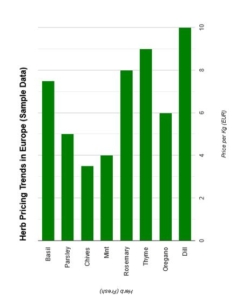
Herb Pricing in Europe

herb importers Europe

Pricing strategies are a crucial aspect of trading herbs in Europe, and understanding the various factors influencing herb prices is essential for success. Price variations often occur based on the type and quality of the herbs, as well as supply and demand dynamics. Traders should be aware that different herb varieties can command different price points depending on their perceived value and market demand. Additionally, seasonal pricing trends play a significant role in the herb market. Keeping track of these trends allows traders to anticipate price shifts and adjust their strategies accordingly, ensuring competitive pricing and maximizing profitability.


Additional Buyer Requirements


When dealing with herbs, buyers often have additional requirements that must be met to ensure market acceptance and regulatory compliance. Popular herb varieties such as basil, rosemary, thyme, and mint are commonly sought after, and understanding their market trends can help traders align their offerings with current demands. Certification standards also play a critical role. For organic herbs, compliance with EU Regulation (EC) No 834/2007 is required, ensuring that herbs meet organic standards. Food safety certifications such as BRCGS and IFS are also important for demonstrating adherence to safety management practices. Beyond certifications, sustainability and compliance with social and environmental standards are increasingly important.


Adhering to social certifications like Fair Trade and Sedex, as well as environmental certifications such as Rainforest Alliance, can enhance a trader’s reputation and appeal. Organic herb standards require specific certification criteria and addressing challenges related to contamination and maintaining organic integrity is essential for maintaining product quality and consumer trust.


Herb Market Channels in Europe


Market segmentation is crucial for successfully navigating the herb market in Europe. Premium segments cater to high-end markets that demand organic and specialty herbs for herb importers Europe. These markets often focus on high-quality, niche products and can command higher prices, appealing to consumers who prioritize sustainability and unique flavors. In contrast, mass distribution involves conventional herbs intended for bulk sales and processing. These herbs are typically distributed through large-scale retailers and are often sold at lower prices, targeting a broader consumer base. Understanding these segments helps tailor product offerings to meet specific market demands and optimize sales strategies. Western Europe has the largest market.


Distribution pathways for herbs in Europe include several key channels. Herb importers Europe are vital, as major herb importers play a central role in bringing herbs from producers to European markets. These networks of herb importers Europe ensure that herbs meet local standards and regulations. Supermarket agreements are another important channel for herb importers Europe; regular supply contracts with supermarket chains facilitate consistent distribution and visibility of herbs in retail environments. Additionally, wholesale channels, both local and global, provide opportunities for bulk sales and wider market reach. Leveraging these pathways effectively can enhance market presence and distribution efficiency.


Strategies for European Market Entry


Packaging compliance is a fundamental aspect of entering the European herb market. Ensuring that herb packaging adheres to EU regulations is essential to avoid legal issues and facilitate smooth market entry. Packaging must meet specific standards related to labeling, materials, and safety, reflecting both regulatory requirements and consumer expectations. Achieving the necessary certifications is another critical strategy for herb importers Europe. Securing essential certifications, such as organic or food safety certifications, is crucial for market acceptance and credibility. These certifications not only demonstrate product quality but also build trust with consumers and regulatory bodies.

herb importers Europe

Targeting niche markets can offer significant opportunities for growth. Exploring specialty segments, such as organic or exotic herbs, allows traders to cater to specific consumer preferences and trends. These niche markets often have less competition and can provide higher profit margins. Finding distribution partners is also essential for successful market entry. Partnering with experienced distributors who have in-depth knowledge of the European market can facilitate smoother logistics, regulatory compliance, and market penetration. Engaging with established importers and distributors ensures that products are effectively introduced and managed within the market.


Retail Market: Supermarket Agreements


Retail market opportunities for suppliers are significantly enhanced through supermarket supply agreements. Securing long-term contracts with retail giants offers multiple advantages, such as consistent demand and predictable revenue streams. These agreements often include favorable terms for suppliers, including regular orders and potential promotional support, which can help stabilize cash flow and reduce market volatility. Additionally, being a trusted supplier for major supermarket chains can enhance brand visibility and credibility, leading to further business opportunities. It also provides access to extensive distribution networks of herb importers Europe, ensuring broader market reach and consumer access.


Strategic Partnerships for herb importers Europe: Cooperation


Entry routes to retail programs can be significantly enhanced through strategic partnerships for herb importers Europe. Collaborating with service providers, such as logistics companies that deal with herb importers Europe and marketing agencies, allows suppliers to leverage specialized herb importers Europe and resources, facilitating smoother market entry and operations. Forming alliances with major companies that deal with herb importers Europe, including established retail chains or distributors, can open doors to extensive retail networks for herb importers Europe and valuable industry connections. These partnerships for herb importers Europe can also provide access to key decision-makers, streamline the supply chain, and offer marketing support, thereby increasing the likelihood of successfully penetrating retail programs and expanding market presence.


Direct Retail Sales: Challenges and Potential


Direct retail sales offer both opportunities and challenges when selling to supermarkets. One significant advantage is the potential for higher profit margins by cutting out intermediaries and dealing directly with retailers. This direct relationship can also lead to better control over branding and customer feedback. However, challenges include meeting stringent supermarket requirements, managing large-scale logistics, and negotiating terms without the buffer of intermediaries. Building strong relationships with supermarket buyers and demonstrating consistent quality and reliability are crucial for overcoming these hurdles and achieving long-term success in direct retail sales.


Initial Spot Market Entry: Starting with Smaller Traders


Entering the spot market by starting with smaller traders offers both risks and benefits. On the positive side, smaller traders often provide more flexible terms and quicker decision-making processes, which can facilitate faster entry and adaptation to market conditions. They may also offer more personalized service and lower initial barriers to entry. However, the risks include potentially limited market reach and less stability compared to larger, established herb importers Europe. Additionally, smaller traders might lack the extensive networks for herb importers Europe and resources required for scaling up quickly. Balancing these factors is crucial for a successful market entry strategy.


Supplier Recommendations: Enhancing Appeal to Retail Programs


To enhance appeal to retail programs, suppliers must prioritize providing consistent quality and reliable supply. Retailers seek suppliers who can consistently deliver high-quality products that meet their specifications and consumer expectations. Demonstrating a track record of reliability, including on-time deliveries and adherence to contract terms, is crucial for securing and maintaining contracts. Building strong relationships with retail buyers by effectively communicating capabilities and addressing any issues proactively can also significantly boost a supplier’s appeal. Investing in quality control processes and robust supply chain management ensures that suppliers can meet retail demands consistently and effectively.


Herb Market Competition in Europe: Market Overview


The competitive landscape of the herb market in Europe is shaped by several key trends and demand dynamics. One notable trend is the growing preference for organic and sustainably sourced herbs, which has intensified competition among suppliers aiming to meet these consumer demands. Additionally, the rise of specialty and exotic herbs has introduced new herb importers Europe and diversified the competitive field. Demand trends also reflect a shift towards convenience and ready-to-use herb products, influencing how companies that deal with herb importers Europe position themselves in the market. Analyzing these competitive trends helps suppliers understand market dynamics, identify opportunities, and develop strategies to differentiate themselves and capture market share.


Key Herb Suppliers: Major Exporting Countries


In the European herb market, several key exporting countries play a dominant role, each with its own competitive edges. India and China are major suppliers, leveraging their extensive agricultural infrastructure and lower production costs to offer a wide variety of herbs at competitive prices. These countries benefit from established export channels and large-scale production capabilities. The Mediterranean region, including countries like Spain and Italy, is renowned for high-quality herbs such as basil and oregano, benefiting from favorable climates and traditional cultivation practices that enhance flavor and quality. Each of these exporting nations capitalizes on unique advantages, such as cost efficiency, quality, or specialized growing conditions, to strengthen their position in the European market.


Global Production Trends: Herb Supply Dynamics


The global herb production landscape is evolving, with several trends shaping the supply dynamics. Traditionally, countries like India, China, and the Mediterranean region have dominated herb production due to their favorable climates and established agricultural practices. However, emerging regions are gaining prominence, driven by advancements in cultivation techniques and increasing investment in agriculture. Southeast Asian countries, including Vietnam and Thailand, are expanding their herb production capabilities, offering competitive pricing and diverse varieties. Additionally, Africa is gradually becoming a significant player, with countries such as Kenya investing in herb cultivation to meet growing global demand. These shifts highlight a dynamic supply chain where both established and emerging regions contribute to the increasingly diverse and competitive global herb market.


Country-Specific Insights: Challenges and Opportunities


Analyzing key herb-exporting countries reveals a mix of challenges and opportunities within the global herb market.


India faces challenges related to inconsistent quality and pesticide residues, impacting its competitive edge. However, its vast production capacity and low costs present significant opportunities for expanding market share, particularly in bulk herb exports. Investments in quality control and sustainable practices can enhance its global standing.


China encounters issues with regulatory compliance and environmental concerns, which can affect product perception. Nevertheless, its scale of production and diverse herb varieties offer substantial opportunities for meeting global demand, especially for processed herbs and essential oils.


Mediterranean countries like Spain and Italy benefit from favorable climates and a strong reputation for high-quality herbs, such as basil and rosemary. However, they face competition from lower-cost producers. Their opportunity lies in leveraging their quality and authenticity to cater to premium markets and capitalize on trends towards organic and artisanal products.


Vietnam and Thailand are emerging as competitive herb importers Europe due to their favorable growing conditions and increasing production capacities. Their challenge is to scale operations while maintaining quality standards. Opportunities include tapping into the growing global demand for exotic and specialty herbs and enhancing their market presence through certifications and sustainable practices.


Kenya and other African countries are making strides in herb production, driven by improvements in agricultural techniques and export infrastructure. The challenge here is to build consistent supply chains and meet international quality standards. The opportunity lies in leveraging lower production costs and expanding into new markets as global demand for herbs continues to rise.


Competitive Strategies: Relationship Management


Maintaining strong buyer relationships and adapting to market conditions are crucial competitive strategies in the herb market. One effective approach is to prioritize open and transparent communication with buyers. Regular updates on production status, quality control measures, and any potential issues help build trust and reliability. Implementing a proactive feedback loop allows suppliers to address buyer concerns promptly and adapt to their specific needs. Additionally, investing in customer service, such as personalized support and flexible response to order changes, can differentiate suppliers in a competitive market.


Adapting to market conditions involves staying informed about industry trends and consumer preferences. Suppliers should continuously monitor market developments and adjust their offerings accordingly, whether it involves introducing new herb varieties or improving product quality. Building strategic partnerships for herb importers Europe with buyers and participating in industry events can also provide valuable insights and opportunities for collaboration. Flexibility in pricing and supply chain management helps suppliers remain competitive and responsive to market fluctuations, ensuring they can meet buyer demands and maintain long-term relationships.


Major Competitors: Company Profiles


Mulberry Growers is a notable contender in the global herb market, distinguished by its commitment to sustainability and organic farming. Based in Kenya, Mulberry Growers excels in cultivating a diverse range of high-quality herbs, including basil, thyme, rosemary, oregano, tarragon, chives, and sage. Their dedication to organic farming practices not only ensures the purity and superior flavor of their herbs but also supports environmentally friendly agricultural methods. This approach aligns well with the growing global demand for sustainable and ethically sourced products.


Mulberry Growers’ market strategy effectively leverages their unique positioning as a supplier of organically grown herbs to Europe and the Middle East. By emphasizing their sustainable farming practices and high-quality produce, they have successfully built a strong reputation among international buyers. Their ability to consistently deliver fresh, premium herbs to diverse markets across Europe and the Middle East further solidifies their competitive edge. The company’s focus on maintaining rigorous quality standards and fostering transparent relationships with clients has positioned them as a reliable and esteemed supplier in the herb industry.


McCormick & Company is a leading player in the herb and spice industry, known for its extensive product range and global presence. McCormick’s market strategy focuses on quality consistency, innovation, and brand strength. The company invests significantly in research and development to enhance flavor profiles and create new herb blends. Additionally, McCormick emphasizes strategic partnerships for herb importers Europe with retailers and food manufacturers to ensure widespread distribution and consumer reach.


S&B Foods Inc. is another major herb supplier, recognized for its diverse product portfolio and strong market presence, particularly in Asian herbs and spices. S&B’s strategy includes leveraging its expertise in Asian culinary traditions to offer unique herb products that cater to specific regional tastes. The company also invests in advanced processing techniques to ensure product freshness and quality, while expanding its global distribution network to reach new markets.


Döhler Group stands out for its focus on natural ingredients and innovative solutions in the herb market. Döhler’s strategy revolves around integrating state-of-the-art processing technologies with sustainable sourcing practices. The company targets both the retail and food service sectors, offering customized herb solutions and emphasizing its commitment to sustainability and traceability. Döhler’s approach includes strategic collaborations with farmers and suppliers to enhance product quality and supply chain efficiency.


Herb Pharm distinguishes itself in the herbal supplement sector with a strong emphasis on organic and sustainably sourced herbs. Herb Pharm’s strategy is centered on maintaining high-quality standards and transparency in its sourcing practices. The company invests in organic farming practices and works closely with growers to ensure the purity and efficacy of its herbal products. Herb Pharm’s market approach includes educating consumers about herbal health benefits and building strong relationships with natural product retailers.


Growth and Expansion: Strategic Initiatives


Top companies that deal with herb importers Europe in the herb market pursue various strategic initiatives to drive growth and expansion. These strategies often include investing in new technologies to enhance production efficiency and product quality. Companies that deal with herb importers Europe may also explore mergers and acquisitions to expand their market presence or enter new regions. Additionally, investing in research and development allows companies that deal with herb importers Europe to innovate with new herb varieties and product offerings. Strategic partnerships for herb importers Europe and collaborations with retailers and distributors are also common, facilitating broader market reach and improved supply chain capabilities. These initiatives collectively support sustained growth and competitive advantage.


Competitive Positioning: Market Positioning Tips


Effectively competing with leading suppliers in the herb market involves several key strategies. First, differentiating products through unique qualities or certifications, such as organic or fair trade, can attract niche markets and build a strong brand identity. Offering competitive pricing and maintaining high-quality standards are essential to meeting market demands and securing buyer loyalty. Additionally, focusing on exceptional customer service and building strong relationships with distributors can enhance market positioning. Staying informed about industry trends and adapting to consumer preferences helps suppliers remain relevant and responsive in a dynamic market environment.


Herb Varieties: Popular Herb Types by Herb Importers Europe


Several herbs are in high demand due to their versatile culinary applications and essential roles in various cuisines. Basil is highly favored for its fresh, aromatic flavor, integral to dishes like pesto and Caprese salad. Thyme and rosemary are popular for their robust, earthy flavors that enhance a variety of savory dishes and are staples in Mediterranean cooking. Oregano is widely used in Italian and Greek cuisines, particularly in pizza and pasta sauces.


Tarragon adds a distinctive anise-like flavor to French dishes, while chives, with their mild onion flavor, are popular in salads and as a garnish. Sage is valued for its strong, earthy taste and is frequently used in stuffing and roasted meats. Collectively, these herbs are highly sought after and maintain a strong market presence due to their widespread culinary uses and popularity among consumers and chefs alike.


Herb Varieties: Less Common Herbs


While popular herbs dominate the market, less common varieties offer unique opportunities for niche markets and specialized culinary applications. Herbs such as lemongrass, known for its citrusy flavor, and fenugreek, valued for its slightly bitter taste, are less commonly used but sought after in specific cuisines like Thai and Indian cooking. Lovage and marjoram also fall into this category, offering distinctive flavors that can enhance gourmet dishes and specialty recipes. Angelica and hyssop are other examples of less common herbs, appreciated for their unique flavors and uses in traditional and herbal medicine. These less common herbs provide suppliers with opportunities to differentiate their offerings and cater to specialized culinary needs.


Offering a Broad Range


To effectively cater to diverse market needs, suppliers should offer a broad range of herb varieties. Including both highly demanded herbs such as basil, thyme, rosemary, oregano, tarragon, chives, and sage, alongside some less common but nutritionally beneficial varieties like lemongrass and fenugreek, ensures that all culinary preferences and applications are covered. This diverse product range allows suppliers to meet varying consumer demands, from everyday home cooking to gourmet and specialty uses. Offering a wide selection not only attracts a broader customer base but also enhances market competitiveness by addressing both mainstream and niche herb requirements.


Key Takeaways


Selecting the right herb importers Europe is pivotal for accessing premium herb varieties and maintaining a competitive edge. This guide by Mulberry Growers has outlined the key strategies for engaging effectively with herb importers Europe and ensuring product quality and compliance. By leveraging these insights, buyers can enhance their procurement processes and build robust relationships with herb importers Europe. Embracing these tips will not only facilitate smoother transactions but also contribute to long-term success in the European herb market. Your approach to working with herb importers Europe can set the stage for a thriving business partnership.


Contact Us – We Export Herbs to Europe

herb importers Europe

Contact Mulberry Growers today to import our herbs and connect with leading herb importers in Europe. If you are in the UK, Germany, Belgium, Netherlands, France, or Ireland, we will supply high-quality, sustainably grown herbs to you from our own farms. Let us help you navigate the European herb market and achieve your sourcing goals with confidence. Reach out now for high quality and reliability!


To connect use the following options or start from here:


Important Rosemary Suppliers Bahrain – Best Source 2024 Manama | Riffa | Muharraq | Sitra | Isa Town | Adliya | Budaiya | Juffair | Hamad Town | Khalifa Bin Salman Port | Port of Hamad

For businesses seeking high-quality rosemary herbs, identifying reputable rosemary suppliers Bahrain is crucial. At Mulberry Growers, we specialize in growing and harvesting rosemary on our Kenyan farms and are committed to providing premium products. As part of our service, we import rosemary herbs into Bahrain, ensuring that our customers receive fresh, aromatic rosemary. Our distribution network spans various cities including Manama, Riffa, and Muharraq, ensuring that rosemary herbs in Bahrain reach culinary enthusiasts and restaurants alike. Whether it’s for traditional dishes or modern cuisine, our rosemary plays a pivotal role.

rosemary suppliers Bahrainrosemary suppliers Bahrain

Effective Cultivation and Harvesting of Rosemary


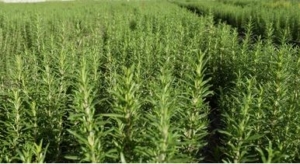
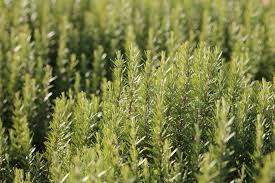
Rosemary (Rosmarinus officinalis) is a fragrant evergreen herb renowned for its needle-like leaves and woody stems. Native to the Mediterranean region, it thrives in warm climates with ample sunlight and well-draining soil. Ideal growing conditions include full sun exposure, as rosemary requires at least 6 to 8 hours of direct sunlight daily to develop its characteristic aroma and flavor. It prefers slightly acidic to neutral soil with a pH range of 6.0 to 7.0 and demands good drainage to prevent root rot.


Additionally, rosemary benefits from a moderate watering schedule, allowing the soil to dry out between waterings to mimic its natural dry environment. As a resilient plant, rosemary is not only valued for its culinary and medicinal uses but also for its ability to adapt to various soil conditions, provided that it is not waterlogged. With proper care, rosemary can flourish and offer its robust scent and flavor throughout the growing season.


The cultivation of rosemary requires an effective sustainable approach to ensure top-quality herbs. Rosemary suppliers Bahrain benefit from understanding the large-scale cultivation techniques used by farms like ours. By implementing advanced agricultural practices, we ensure that every batch of rosemary is fresh and aromatic. Our farms in Kenya utilize sustainable methods to grow rosemary, which is then carefully harvested and prepared for export. When you order fresh rosemary into Bahrain, you are guaranteed a product that has been grown with the highest standards in mind.


Sustainability is a core principle at Mulberry Growers, and it extends to our rosemary cultivation practices. Rosemary suppliers Bahrain can trust that our products come from farms that prioritize environmental responsibility. Our sustainable farming methods ensure that the rosemary we export is grown with minimal impact on the environment. By choosing to import rosemary herbs into Bahrain, businesses support practices that contribute to the health of our planet while receiving a high-quality product.


Export to Bahrain, Distribution, and Usage


When it comes to exporting rosemary herbs, distribution efficiency is key. At Mulberry Growers, we have developed a streamlined process to import rosemary herbs into Bahrain. Our logistics team ensures that the rosemary reaches its destination quickly and in optimal condition. Key ports in Bahrain, such as the Khalifa Bin Salman Port and the Port of Hamad, play a crucial role in our distribution network. Additionally, rosemary herbs in Bahrain are distributed to various cities including Sitra, Isa Town, and Adliya, supporting both local businesses and international clients.

rosemary suppliers Bahrain

Efficient port and route management is essential for the smooth distribution of rosemary. Key ports like Khalifa Bin Salman Port are crucial for our rosemary suppliers Bahrain, enabling timely deliveries. Our distribution routes are carefully planned to ensure that rosemary reaches various cities, including Manama and Riffa, promptly. By optimizing our logistics, we ensure that rosemary herbs in Bahrain are available when and where they are needed, supporting both local businesses and international markets.


Rosemary herbs in Bahrain are used in a variety of traditional and modern dishes. Arabic cuisine often features rosemary as a key ingredient in dishes such as Shawarma and Kabsa, enhancing the flavor with its distinctive aroma. Our rosemary suppliers Bahrain are proud to support the culinary traditions of the region by providing high-quality rosemary. Restaurants and food producers in cities like Budaiya, Juffair, and Hamad Town benefit from our fresh rosemary, adding an authentic touch to their dishes.


Importance of Our Rosemary Suppliers Bahrain


When you order fresh rosemary into Bahrain from Mulberry Growers, you are choosing a product that supports both quality and authenticity. Fresh rosemary enhances the flavor of dishes and  also provides a host of health benefits. By importing rosemary herbs into Bahrain, we help local chefs and food enthusiasts create meals that are both delicious and nutritious. Our rosemary suppliers Bahrain ensure that every delivery meets high standards, offering a product that is perfect for a range of culinary applications.


Rosemary herbs in Bahrain enhance the local cuisine by adding depth and flavor to dishes. Our rosemary suppliers Bahrain are dedicated to providing high-quality herbs that elevate the culinary experience. Whether it’s for traditional Bahraini dishes or innovative recipes, our rosemary plays a significant role. By importing rosemary herbs into Bahrain, we support the culinary creativity of chefs and home cooks alike, ensuring that every meal is flavorful and authentic.


Exporting rosemary involves overcoming various challenges, from ensuring product quality to navigating international regulations. Rosemary suppliers Bahrain must address these issues to maintain a reliable supply chain. At Mulberry Growers, we handle these complexities with expertise, ensuring that our rosemary herbs in Bahrain arrive in perfect condition. Our commitment to quality and efficiency helps us overcome the challenges of exportation, making us a trusted partner in the rosemary supply chain.


Contact Us

rosemary suppliers Bahrain

At Mulberry Growers, we are committed to providing top-quality rosemary through efficient import and distribution processes. Whether you are looking to order fresh rosemary into Bahrain or need a reliable supplier for rosemary herbs in Bahrain, our expertise and dedication ensure that you receive the best products. Contact us today to learn more about our rosemary offerings and how we can support your culinary needs.


Welcome, you can connect with us from here:


Wholesale Rosemary Kuwait: Outstanding Source for Buyers in 2024 Kuwait City | Salmiya | Al Ahmadi | Jahra | Fahaheel | Hawalli

When sourcing bulk rosemary, the suppliers who specialize in wholesale rosemary Kuwait buy from Mulberry Growers and similar largescale producers, but we also export in medium volumes to special wholesalers and bulk buyers. Our Kenyan farms provide top-quality rosemary, which we efficiently export and distribute to various regions of Kuwait, Qatar, UAE, KSA, Bahrain, and Europe. By choosing to import rosemary herbs into Kuwait for wholesaling or retailing, you gain access to a premium product that enhances your image and reputation in the market.

wholesale rosemary Kuwait

Our rosemary is delivered to major Kuwaiti cities such as Kuwait City, Salmiya, and Al Ahmadi, ensuring that businesses across the region receive fresh and potent herbs suitable for diverse applications.


How We Supply Wholesale Rosemary to Kuwait


The process of importing rosemary herbs into Kuwait for wholesaling or retailing requires careful management. At Mulberry Growers, we focus on delivering superior rosemary through efficient logistics and quality control. Our expertise in wholesale rosemary Kuwait ensures that your bulk orders are met with consistency and reliability. ur operations also support the wholesale market of rosemary herbs in Qatar, reflecting our commitment to serving businesses across the Middle East with fresh, high-quality rosemary for a variety of uses and applications.


Mulberry Growers ensures that your wholesale rosemary Kuwait needs are met with precision and efficiency. We handle the entire export process, from harvesting on our Kenyan farms to delivery in Kuwait. When you order fresh wholesale rosemary into Kuwait, our streamlined procedures guarantee that the rosemary arrives in optimal condition. Our distribution network also intersects with the wholesale market of rosemary herbs in Qatar, allowing us to provide seamless access to high-quality rosemary across both markets, enhancing your business’s supply chain reliability.

wholesale rosemary Kuwait

For businesses engaged in wholesale rosemary Kuwait, our comprehensive partnership-based distribution network offers significant advantages. By choosing to order fresh wholesale rosemary into Kuwait, you benefit from our reliable supply chain that reaches key locations such as Jahra, Fahaheel, and Hawalli. Our rosemary also features prominently in the wholesale market of rosemary herbs in Qatar, enhancing our regional presence and ensuring that businesses across Kuwait and neighboring markets have access to top-notch rosemary for their needs.


Quality-Oriented Approach to Wholesale Rosemary Kuwait


Effective rosemary cultivation is critical for ensuring high-quality products. At Mulberry Growers, we utilize advanced agricultural techniques to grow rosemary that meets the standards of wholesale rosemary Kuwait. Our methods maintain the herb’s flavor and potency, essential for businesses involved in wholesaling or retailing. This commitment extends to the wholesale market of rosemary herbs in Qatar, where our high-quality rosemary supports a wide range of applications. By choosing our products, you ensure access to rosemary that enhances various uses from traditional recipes to modern culinary creations.

wholesale rosemary Kuwait

Efficient import and export channels are vital for businesses seeking wholesale rosemary Kuwait. Mulberry Growers ensures that our rosemary is imported with the utmost care, maintaining its freshness and quality. Our process of importing rosemary herbs into Kuwait for wholesaling or retailing includes careful management of logistics and quality control. Our integration with the wholesale market of rosemary herbs in Qatar further strengthens our supply chain, providing businesses with reliable access to high-quality rosemary for diverse applications in the food industry.


Kuwaiti businesses looking for wholesale rosemary Kuwait can rely on our extensive supply network. By ordering fresh wholesale rosemary into Kuwait from Mulberry Growers, you gain access to premium rosemary that supports various applications. Our products are delivered to key Kuwaiti locations like Al Ahmadi and Salmiya, and our presence in the wholesale market of rosemary herbs in Qatar enhances our ability to serve the region effectively. This ensures that your business benefits from high-quality rosemary suitable for a range of uses.


Adding Value to the Supply Chain


Rosemary is a valuable ingredient in the regional market, particularly for businesses dealing with bulk purchases. By opting for wholesale rosemary Kuwait from Mulberry Growers, you support your business with high-quality rosemary that is widely used across the Middle East. Our product also plays a significant role in the wholesale market of rosemary herbs in Qatar, reinforcing our commitment to providing fresh, premium rosemary. This supports businesses in cities like Kuwait City and Jahra, ensuring a steady supply of essential herbs.


We supply this herb to the Middle East because rosemary is a cherished herb enhancing various traditional dishes. In Kuwait, it infuses dishes like machboos (a spiced rice and meat dish) and harees (a wheat and meat porridge), adding depth to the flavors. Similarly, in Qatar, rosemary complements mutton majboos and shish kebabs, bringing a fragrant note to the grilled meats. In the UAE, it is often used in lamb ouzi (a slow-cooked lamb dish with rice) and biryani, offering a robust aroma. The herb also features in Bahraini machboos and kabsa, enriching the culinary experiences across these regions with its distinctive taste.

wholesale rosemary Kuwait


Efficiency in the supply chain is crucial for businesses seeking wholesale rosemary Kuwait. Mulberry Growers focuses on optimizing logistics to ensure timely delivery and quality assurance. By importing rosemary herbs into Kuwait for wholesaling or retailing, we provide businesses with a reliable source of high-quality rosemary. Our connection with the wholesale market of rosemary herbs in Qatar further supports our comprehensive supply network, ensuring that businesses across Kuwait have access to fresh rosemary for their diverse needs and applications.


For businesses in need of a dependable rosemary supplier, Mulberry Growers offers an exceptional solution. Our commitment to wholesale rosemary Kuwait guarantees that you receive top-quality rosemary, whether you’re ordering fresh wholesale rosemary into Kuwait or engaging with the wholesale market of rosemary herbs in Qatar. Our efficient logistics and rigorous quality control ensure that businesses across Kuwait, from Kuwait City, Salmiya to Fahaheel, receive the best rosemary available. Contact us today to learn how we can meet your bulk rosemary supply needs and support your business growth.

Contact Us


We supply to al areas of Kuwait, whether it is Kuwait City, Salmiya, Al Ahmadi, Jahra, Fahaheel, or Hawalli. We also supply to other nations and regions like Qatar, the UAE, KSA, Bahrain, and Europe.

wholesale rosemary Kuwait

Welcome, connect with us here:


Fresh Rosemary Qatar: 3 Tips for Our Best Buyers Doha | Al Wakrah | Al Khor | Al Sadd | Madinat ash Shamal | Lusail | Al Rayyan | Umm Salal | Al Daayen | Al Zubarah | Al Khawr | Al Ghuwairiya

Our fresh rosemary Qatar category supplies the finest quality rosemary herbs in Qatar. For those in Qatar seeking high-quality fresh rosemary, look no further. At Mulberry Growers, we specialize in growing and supplying fresh rosemary herbs to the Middle East and herbs to regions of Europe, and Qatar is a great unique market that we encourage you to explore and benefit from our supplies. Whether you want to order fresh rosemary into Qatar for supplying makers of traditional dishes or exotic recipes, our fresh rosemary herbs will enhance the flavor of your meals. You will be procuring the most excellent choice for chefs, herbalists, shows, and home cooks.

fresh rosemary qatarfresh rosemary Qatar

If you need rosemary herbs supplied to you in Doha, Al Wakrah, Al Khor, Al Sadd, Madinat ash Shamal, Lusail, Al Rayyan, Umm Salal, Al Daayen, Al Zubarah, Al Khawr, Al Ghuwairiya, or any other region, read on, we are ready.

How We Supply Rosemary


The process of growing fresh rosemary for Qatar is an intricate one. Mulberry Growers employs advanced agricultural practices to ensure robust and aromatic rosemary. When you import fresh rosemary herbs into Qatar from us, you benefit from a product that’s not only fresh but also grown with care and precision. Our rosemary herbs reach cities like Al Sadd and Madinat ash Shamal, perfect for enhancing dishes like “Shawarma” or “Hummus.” The dedication to quality throughout our cultivation and export processes guarantees that your culinary creations will be infused with authentic, rich flavors.

fresh rosemary Qatar


When you choose to import fresh rosemary herbs into Qatar, you’re opting for a product cultivated under optimal conditions. Mulberry Growers ensures that every step of the cultivation and exportation process maintains the highest quality standards. From our farms in Kenya to your kitchen in places like Lusail or Al Rayyan, the journey of fresh rosemary Qatar is meticulously managed. Whether used in a traditional dish such as “Mandi” or “Kabsa,” our rosemary herbs add a distinctive touch that elevates any recipe. Trust us to provide rosemary that meets both culinary and freshness expectations.


fresh rosemary Qatar

The efficiency of export routes is crucial for maintaining the quality of fresh rosemary herbs. Mulberry Growers ensures that our fresh rosemary Qatar arrives promptly and in perfect condition. Our herbs pass through key ports and logistics hubs, reaching cities like Al Wakrah and Umm Salal. This streamlined process helps preserve the aromatic qualities of our rosemary, essential for dishes such as “Grilled Fish” or “Stuffed Grape Leaves.” By optimizing our export routes, we guarantee that every order of fresh rosemary into Qatar meets high standards of freshness.


Importing fresh rosemary into Qatar also involves careful handling to preserve its quality. At Mulberry Growers, we manage every aspect from harvesting to shipping with attention to detail. Our fresh rosemary Qatar offerings travel from our Kenyan farms to the bustling markets of Doha and beyond. Whether you’re preparing a dish in Al Daayen or Al Zubarah, our rosemary herbs will deliver the fresh, aromatic quality needed to make your meals exceptional. Our commitment ensures that every order of fresh rosemary into Qatar enhances the flavors of traditional Arabic cuisine.


Commitment to Quality and Sustainability – Fresh Rosemary Qatar


At Mulberry Growers, our commitment to quality is reflected in every shipment of fresh rosemary Qatar. We adhere to strict standards in our Kenyan farms and during exportation to ensure that our rosemary herbs retain their flavor and aroma. Our fresh rosemary herbs find their way to prominent locations such as Lusail and Al Rayyan, enhancing dishes like roasted lamb and “Herb Roasted Vegetables.” Our dedication ensures that every order of fresh rosemary into Qatar meets your culinary needs with excellence.

fresh rosemary Qatarfresh rosemary Qatar

Advanced harvesting techniques are vital for preserving the freshness of rosemary. Mulberry Growers employs cutting-edge methods to ensure that our fresh rosemary Qatar is as aromatic as possible upon arrival. Our herbs are shipped efficiently to cities such as Al Sadd and Al Daayen, ready to be used in dishes like “Mujadara” or “Hummus.” By maintaining rigorous standards in our harvesting and export processes, we ensure that your order of fresh rosemary into Qatar delivers exceptional flavor and quality.


Sustainability is also key to our cultivation process. Mulberry Growers uses eco-friendly practices to grow fresh rosemary herbs, ensuring that when you order fresh rosemary into Qatar, you receive a product that’s both high-quality and environmentally conscious. Our herbs are shipped to various locations including Al Khawr and Al Ghuwairiya. For recipes such as “Falafel” or “Labneh,” our fresh rosemary Qatar provides the perfect herbaceous touch. By focusing on sustainable agriculture, we contribute to a greener planet while delivering top-notch rosemary to your kitchen.


Incorporating such fresh rosemary into Qatar’s diverse cuisine can radically boost local recipes and the health of Qatari consumers. Our fresh rosemary Qatar is used widely across various regions, from the bustling streets of Doha to the quiet towns of Al Khor. Whether you’re adding it to a classic “Lamb Tagine” or a contemporary “Rosemary Chicken,” our rosemary herbs offer a versatile flavor profile. By choosing to import fresh rosemary herbs into Qatar, you’re selecting a product that blends seamlessly into both traditional and modern recipes.


Contact Us to Import High-Quality Herbs Like Rosemary


Experience a taste of Kenya with every order of fresh rosemary herbs from Mulberry Growers. Our commitment to quality ensures that when you import fresh rosemary herbs into Qatar, you’re receiving a product that embodies the rich, aromatic qualities of our Kenyan farms. From Doha to Al Zubarah, our fresh rosemary Qatar enhances traditional dishes like “Kebab” or “Stews,” providing a touch of Kenyan excellence in every meal. Explore the exceptional flavors of our rosemary and elevate your culinary creations.

fresh rosemary Qatar

Ready to elevate your dishes with premium fresh rosemary? Mulberry Growers offers the finest fresh rosemary Qatar, directly sourced from our Kenyan farms and delivered to various locations in Qatar. Whether you wish to order fresh rosemary into Qatar for a special recipe or to enhance everyday meals, our rosemary herbs will not disappoint. Experience the quality and freshness that only Mulberry Growers can provide. Contact us today to import fresh rosemary herbs into Qatar and transform your culinary creations with exceptional flavor.


Connect with us here:


Rosemary Importers Saudi Arabia: Amazing Deals in 2024 Riyadh | Jeddah | Dammam | Mecca | Medina | Khobar | Jubail | Abha | Taif | Yanbu

The reliable rosemary importers Saudi Arabia to import fresh rosemary herbs into Saudi Arabia include established partners like those of Mulberry Growers, direct importers who may be traders or distributors, and wholesalers that import to resell or distribute to companies, hotels, and restaurants. At Mulberry Growers, we specialize in growing and harvesting premium rosemary on our Kenyan farms, exporting it to Saudi Arabia and other regions worldwide. We supply to buyers in Riyadh, Jeddah, Dammam, Mecca, Medina, Khobar, Jubail, Abha, Taif, Yanbu, and other regions of Saudi Arabia.

rosemary importers Saudi Arabiarosemary importers Saudi Arabia

The role of rosemary importers Saudi Arabia cannot be understated, as they facilitate the arrival of our aromatic herbs into major cities such as Riyadh, Jeddah, and Dammam. For a seamless importation experience, understanding the local ports and logistics is key, and having a reputable importer helps streamline the process.


Importation of Rosemary and other Herbs into Saudi Arabia


Importing fresh rosemary herbs into Saudi Arabia involves navigating various ports and logistical routes. Major ports like the King Abdulaziz Port in Dammam and Jeddah Islamic Port are pivotal in the importation process. When you choose rosemary importers Saudi Arabia, it’s important to ensure they are familiar with these ports. This knowledge ensures smooth transportation of your rosemary products. Importers play a significant role in managing customs and distribution throughout Saudi Arabia, including cities like Mecca, Medina, and Khobar, ensuring that your rosemary reaches every corner of the kingdom.


To order fresh rosemary into Saudi Arabia, local importers are essential in distributing the product across various regions. Cities such as Khobar, Jubail, and Abha rely on these importers to deliver high-quality rosemary to local markets. Rosemary importers Saudi Arabia facilitate not just the importation but also the integration of rosemary into local cuisine. From seasoning traditional Arabic dishes like Shawarma and Kabsa to enhancing the flavor of contemporary recipes, their role is integral. Effective importation practices ensure that fresh rosemary herbs are always available and of the highest quality.


Practices for Selecting Rosemary Importers Saudi Arabia


When planning to import fresh rosemary herbs into Saudi Arabia, understanding the importation procedures is vital. The presence of rosemary importers Saudi Arabia ensures that the herbs are handled efficiently from the point of entry, whether it’s through the King Khalid International Airport in Riyadh or the Yanbu Commercial Port. Importers must navigate the regulations and logistical challenges to ensure that rosemary is delivered promptly. In cities such as Taif and Abha, the availability of fresh rosemary is often tied to the efficiency of these importers and their understanding of local distribution networks.

rosemary importers Saudi Arabia

Efficient importation practices are essential for ensuring that fresh rosemary herbs reach Saudi Arabia in optimal condition. Rosemary importers Saudi Arabia play a significant role in this process by managing transportation, customs, and distribution. With ports like Jeddah Islamic Port and King Abdulaziz Port handling the entry of goods, the expertise of these importers ensures that rosemary is delivered promptly to cities such as Dammam and Riyadh. Their ability to navigate these logistical challenges is crucial for maintaining the freshness and quality of the rosemary as it makes its way through the kingdom.


The role of rosemary importers Saudi Arabia extends beyond mere logistics; they are key in preserving the quality of imported rosemary. When importing fresh rosemary herbs into Saudi Arabia, these importers ensure that the herbs are stored and handled correctly. In cities like Khobar and Jubail, the quality of rosemary can significantly impact local dishes such as Kabsa and Shawarma. Importers with a keen understanding of local preferences and requirements help maintain the high standards of our rosemary, making it a sought-after ingredient in Saudi Arabian kitchens.


How Mulberry Growers Supplies and Supports the Market in Saudi Arabia


Mulberry Growers is dedicated to working closely with rosemary importers Saudi Arabia to ensure our rosemary reaches the market in pristine condition. Our farms in Kenya produce high-quality rosemary, and our import partners in Saudi Arabia are crucial in maintaining this standard. Whether it’s through Riyadh’s bustling markets or the quieter streets of Al Khobar, our rosemary herbs are sought after for their exceptional quality. Importers play a pivotal role in ensuring that every shipment meets the high standards expected by Saudi consumers, enhancing the culinary experiences throughout the country.


When you import fresh rosemary herbs into Saudi Arabia, you’re contributing to the rich culinary tradition of the region. Rosemary importers Saudi Arabia ensure that this aromatic herb finds its way into popular dishes like Mandi and Harees, enjoyed throughout cities such as Jeddah and Medina. The expertise of these importers in handling and distributing rosemary is crucial for maintaining the herb’s quality and flavor. Through their efforts, rosemary becomes an integral part of Saudi Arabian cuisine, adding depth and character to traditional and modern dishes alike. It is part of the sophistication of recipes in Riyadh, Jeddah, Medina, Khobar, Dammam, Mecca, Abha, Taif, Jubail, Yanbu, and the rest of the KSA.


rosemary importers Saudi Arabiarosemary importers Saudi Arabia


At Mulberry Growers, we also solve the challenges of rosemary importation by providing you with viable solutions. Importing fresh rosemary herbs into Saudi Arabia presents several challenges, including regulatory compliance and transportation issues. Effective Rosemary importers Saudi Arabia like Mulberry Growers are equipped to handle these challenges by ensuring that all necessary documentation is in place and that customs procedures are followed. Ports like the King Khalid International Airport in Riyadh and the Yanbu Commercial Port are crucial entry points for rosemary. Effective management by these importers helps overcome common hurdles, ensuring that rosemary reaches cities such as Mecca and Medina without compromising quality.


Welcome – Contact Us

rosemary importers Saudi Arabia

Looking to import fresh rosemary herbs or herbs like basil, oregano, tarragon, chives, sage, and thyme into Saudi Arabia? We can supply you. We are experienced in dealing with herb importers including rosemary importers Saudi Arabia, and we can directly supply you with high-quality herbs in the quantities that you require.


Mulberry Growers is committed to providing high-quality rosemary from our Kenyan farms to Saudi Arabia and beyond. Contact us to discuss how we can fulfill your demands.


Welcome! Connect with us here:


Rosemary Export to UAE 2024: Greatest Tips to Buy Dubai | Abu Dhabi | Sharjah | Ras Al Khaimah | Al Ain | Jebel Ali | Ajman

The providers of rosemary export to UAE include companies that grow high-quality rosemary herbs, e.g., Mulberry growers, and traders that do not necessarily grow their own herbs, distributors that import directly from growers, and smaller importers that import for their own use. Our Kenyan-grown rosemary is shipped with care to major UAE cities, including Dubai and Abu Dhabi, and the other regions of the UAE. When you choose to buy fresh rosemary herbs in the UAE, you are ensuring that your dishes benefit from top-notch ingredients. The process of ordering fresh rosemary into the UAE involves precise handling and shipping, ensuring the rosemary arrives fresh and aromatic, ready to enhance traditional dishes such as Shawarma and Hummus.

rosemary export to UAE

Our rosemary is transported from Kenyan farms through significant ports like Jebel Ali and Sharjah. For those looking to buy fresh rosemary herbs in the UAE, this meticulous process ensures that the herbs arrive in excellent condition. When you order fresh rosemary into the UAE, the journey is carefully managed to preserve the rosemary’s freshness and flavor, supporting local markets in cities like Ras Al Khaimah and Al Ain with top-quality ingredients.


Rosemary (Rosmarinus officinalis) is a fragrant evergreen herb native to the Mediterranean region, belonging to the mint family (Lamiaceae). This woody shrub typically grows to a height of 1 to 1.5 meters (3 to 5 feet) and is characterized by its narrow, needle-like leaves that are dark green on top and pale grayish underneath. Rosemary produces small, pale blue to violet flowers, which bloom in clusters and attract pollinators such as bees. The herb is well-known for its aromatic essential oils, which contain compounds like cineole, camphor, and rosmarinic acid, contributing to its distinctive scent and properties.

Key Routes for Rosemary Export to UAE


The routes involved in rosemary export to UAE are crucial for ensuring timely delivery and quality. From Kenya, our rosemary is shipped via major ports such as Dubai and Jebel Ali which are critical for logistics, reaching various destinations across the UAE. For those interested in buying fresh rosemary herbs in the UAE, these well-coordinated routes guarantee that the herbs arrive fresh and ready to use. The process of ordering fresh rosemary into the UAE leverages these efficient routes to maintain the high standards of our Kenyan-grown rosemary, enhancing dishes throughout the region.

rosemary export to UAE

UAE ports play a vital role in the success of rosemary export to UAE, impacting the quality of the herbs upon arrival. Ports such as Jebel Ali and Abu Dhabi are crucial in handling and distributing our Kenyan rosemary. When you choose to buy fresh rosemary herbs in the UAE, understanding the role of these ports can reassure you of the quality and efficiency of the logistics. The process of ordering fresh rosemary into the UAE benefits from these well-managed ports, ensuring that each shipment meets high standards of freshness.


Rosemary export to UAE significantly influences regional culinary practices by providing high-quality herbs for traditional dishes. From the bustling streets of Dubai to the serene eateries of Al Ain, our rosemary enhances recipes like Shawarma and Falafel. For those who decide to buy fresh rosemary herbs in the UAE, this export supports the rich culinary traditions of the region. The process of ordering fresh rosemary into the UAE involves careful handling and transport to ensure the herbs are delivered fresh and full of flavor.


How Rosemary Export to UAE Supports Local Markets


Rosemary export to UAE is essential for supporting local markets with high-quality herbs. Cities including Sharjah and Ras Al Khaimah rely on our Kenyan-grown rosemary for enhancing dishes such as Manakish and Mandi. If you are looking to buy fresh rosemary herbs in the UAE, you are contributing to a supply chain that delivers fresh and aromatic ingredients. The streamlined process of ordering fresh rosemary into the UAE ensures that local markets receive a product that upholds the culinary standards of the region.

rosemary export to UAErosemary export to UAE

The impact of rosemary export to UAE extends across the country, adding depth to traditional and modern dishes. Cities like Abu Dhabi and Ajman benefit from our Kenyan rosemary in recipes such as Kebab and Tabbouleh. When you buy fresh rosemary herbs in the UAE, you’re choosing a product that enhances the flavor of various dishes. The process of ordering fresh rosemary into the UAE ensures that each shipment maintains its aromatic quality, making it an invaluable ingredient for chefs and home cooks alike in these vibrant cities.


The Quality of Our Rosemary Export to UAE


Maintaining the quality of rosemary export to UAE involves careful attention throughout the shipping process. Our Kenyan rosemary is carefully handled and transported via major UAE ports to cities like Dubai and Abu Dhabi. For those interested in buying fresh rosemary herbs in the UAE, this commitment to quality ensures that the herbs remain fresh and flavorful. Ordering fresh rosemary into the UAE is streamlined to preserve the herb’s essential qualities, making it an ideal choice for enhancing a variety of Arabic dishes.

rosemary export to UAE

The process of rosemary export to UAE is designed to ensure high-quality delivery from farm to table. Our rosemary, grown in Kenya, is shipped through key UAE ports such as Jebel Ali and Sharjah, reaching various destinations efficiently. When you choose to buy fresh rosemary herbs in the UAE, you benefit from a well-organized supply chain that prioritizes freshness. Ordering fresh rosemary into the UAE involves meticulous handling to ensure that every shipment arrives in perfect condition, ready to enhance your culinary creations.


Experience the Best of Rosemary Export to UAE


Mulberry Growers invites you to experience the premium quality of rosemary export to UAE by ordering fresh rosemary into the UAE from our Kenyan farms. Our rosemary is perfect for enriching traditional dishes like Shawarma and Tabbouleh, offering a fresh and aromatic addition to your recipes. For those looking to buy fresh rosemary herbs in the UAE, our efficient logistics ensure that each shipment meets the highest standards of quality. Don’t miss the opportunity to elevate your cooking—order fresh rosemary today and enjoy the exceptional flavor and freshness of our herbs.

rosemary export to UAE

Contact Us


We export herbs, including rosemary. Connect with us here:


Rosemary Suppliers Belgium: The Outstanding List of 3 Essentials for Selecting a Supplier Brussels | Antwerp | Ghent | Bruges | Leuven | Namur | Liège | Mechelen | Hasselt | Sint-Niklaas | Turnhout | Kortrijk | Ostend | Charleroi

When searching for rosemary suppliers Belgium, it’s important to find a source that ensures high quality and freshness. Our company, Mulberry Growers, has perfected the art of growing and harvesting rosemary on our Kenyan farms, and we are proud to export our premium product to Belgium and beyond. Whether you are buying fresh rosemary herbs in Belgium or ordering fresh rosemary in Belgium, our commitment to excellence means you receive only the best. From Brussels to Antwerp, our rosemary enhances a wide array of Belgian dishes, making us a trusted choice for culinary professionals.

rosemary suppliers Belgium

For businesses and traders seeking top-tier rosemary suppliers Belgium, Mulberry Growers stands out in the market. Our fresh rosemary is cultivated under optimal conditions in Kenya, ensuring robust flavor and quality. When you’re buying fresh rosemary herbs in Belgium, you can trust our products to meet the highest standards. Belgian chefs in cities like Ghent and Bruges have come to rely on our rosemary to elevate their dishes, whether it’s a classic stoofvlees or a contemporary twist on a traditional Belgian recipe. Our rosemary plays a key role in enhancing the authenticity of Belgian cuisine.


Importance of Rosemary Suppliers Belgium


Mulberry Growers is an important leading name among rosemary suppliers Belgium, thanks to our dedication to providing high-quality rosemary grown in Kenya. Whether you’re ordering fresh rosemary in Belgium or sourcing fresh rosemary herbs, our product is a popular choice in Belgian cities such as Mechelen and Hasselt. Our rosemary finds its way into a variety of Belgian dishes, from hearty Belgian stew to aromatic rosemary-infused bread. Our global export practices ensure that every batch reaches Belgium with optimal freshness and flavor.

rosemary suppliers Belgium

When evaluating rosemary suppliers Belgium, freshness is a key factor. At Mulberry Growers, our rosemary is grown in Kenya and shipped to Belgium, maintaining its vibrant flavor and aroma. Buying fresh rosemary herbs in Belgium or ordering fresh rosemary in Belgium from us means you’re choosing a product renowned for its quality. Belgian chefs and food enthusiasts in cities like Sint-Niklaas and Turnhout benefit from the superior taste our rosemary adds to traditional dishes such as Belgian rabbit stew and rosemary roasted vegetables.


We are ensuring that we supply the highest quality rosemary herbs, and rosemary suppliers Belgium are encouraged to adhere to similar standards. Mulberry Growers exemplifies best practices by providing fresh rosemary from our Kenyan farms to Belgium. When buying fresh rosemary herbs in Belgium or placing orders for fresh rosemary in Belgium, you are guaranteed a product that meets rigorous quality checks. Belgian markets, including those in cities like Kortrijk and Ostend, appreciate the enhanced flavor our rosemary brings to local specialties and international dishes alike.


The Impact of Good Quality Rosemary on Belgian Businesses


Opting for rosemary suppliers Belgium who prioritize quality can greatly influence your culinary outcomes. Mulberry Growers, for instance, exports rosemary cultivated on our Kenyan farms to Belgium and other European nations. Whether you’re buying fresh rosemary herbs in Belgium or ordering fresh rosemary in Belgium, our product is guaranteed to meet your needs. In cities such as Liège and Antwerp, our rosemary enhances traditional Belgian dishes like mussels with fries and the iconic Belgian waffle. Investing in high-quality rosemary can make a significant difference in the taste and authenticity of your meals.

rosemary suppliers Belgium

Enhancing Belgian cuisine with premium rosemary is another intended effect. We need rosemary suppliers Belgium to distribute our high-quality herbs and play a crucial role in elevating Belgian cuisine. Mulberry Growers, known for its premium rosemary harvested in Kenya, is a top choice for those ordering fresh rosemary in Belgium. Our rosemary is a key ingredient in Belgian culinary staples found in cities such as Leuven and Charleroi. By buying fresh rosemary herbs in Belgium from reputable suppliers, chefs can ensure their dishes, such as Belgian-style lamb chops or rosemary-infused stoofvlees, are flavorful and authentic.


For those looking to source high-quality rosemary, Mulberry Growers is a prominent name among rosemary suppliers Belgium. Our commitment to excellence is reflected in the fresh rosemary we export from Kenya to Belgium. Whether buying fresh rosemary herbs in Belgium or ordering fresh rosemary in Belgium, our product meets the high standards of Belgian chefs and home cooks alike. In cities such as Antwerp and Brussels, our rosemary is used in a variety of dishes, contributing to the rich tapestry of Belgian culinary traditions.

rosemary suppliers Belgium

The quality of rosemary can greatly impact the flavor profile of Belgian dishes. Rosemary suppliers Belgium, like Mulberry Growers, provide premium rosemary that enhances the taste of traditional Belgian cuisine. When ordering fresh rosemary in Belgium or buying fresh rosemary herbs in Belgium, you ensure that your dishes, whether it’s a classic Belgian stew or a gourmet rosemary sauce, benefit from the robust flavor of high-quality rosemary. Our products are highly regarded in cities such as Bruges and Liège, where they are used to craft exceptional Belgian meals.


Contact the Top Choice among Rosemary Suppliers Belgium


When considering rosemary suppliers Belgium, Mulberry Growers offers unmatched quality and reliability because we use scientifically proven practices to cultivate rosemary herbs. Our rosemary, grown and harvested in Kenya, is a popular choice for those ordering fresh rosemary in Belgium. Our products are used in various Belgian cities such as Leuven and Namur, where they add distinctive flavor to beloved dishes like carbonade flamande and Belgian lamb stew. Effective market practices ensure that our rosemary maintains its peak freshness, providing an excellent ingredient for chefs and home cooks alike across Belgium.


We can supply you with rosemary herbs and other herbs anywhere, including Brussels, Antwerp, Ghent, Bruges, Leuven, Namur, Liège, Mechelen, Hasselt, Sint-Niklaas, Turnhout, Kortrijk, Ostend, or Charleroi.


Choosing Mulberry Growers means selecting one of the leading rosemary suppliers Belgium, known for delivering exceptional quality. Our rosemary, cultivated in Kenya, is ideal for those buying fresh rosemary herbs in Belgium or ordering fresh rosemary in Belgium. With a presence in various Belgian cities, including Mechelen and Hasselt, our rosemary enhances a wide range of dishes from Belgian rabbit stew to rosemary-infused breads. Experience the difference in flavor and quality by sourcing your rosemary from Mulberry Growers and enjoy the finest culinary ingredients in Belgium.


Contact us here:


Fresh Rosemary Netherlands: Understand the Best Supplier’s Logic in 3 Tips Amsterdam | Rotterdam | Utrecht | Haarlem | Den Haag | Eindhoven | Groningen | Maastricht | Zwolle

When you think of the freshest herbs available in the Netherlands, remember we also have our category of Fresh rosemary Netherlands, supplying rosemary herbs to the German markets, including distributors, wholesalers, retailers, and stores or traders in Amsterdam, Rotterdam, Utrecht, Haarlem, Den Haag, Eindhoven, Groningen, Maastricht, Zwolle., and other regions. So, if you’re looking to buy fresh rosemary herbs in Netherlands, you might be pleased to discover that we supply it in bulk. We have clients that use it extensively in Dutch cuisine, from classic stamppot to modern dishes like gegrilde kip. It is easy to order fresh rosemary in Netherlands from a range of reputable suppliers like Mulberry Growers.

Fresh rosemary Netherlands

Sourcing Fresh Rosemary for Dutch Markets


In the Netherlands, the demand for Fresh rosemary Netherlands reflects its crucial role in enriching local dishes. Whether it’s the hearty erwtensoep or a refined dish like zalm met rozemarijn, Fresh rosemary Netherlands enhances the flavor profile significantly. To buy fresh rosemary herbs in Netherlands, look for reliable exporters who focus on maintaining the herb’s freshness from farm to table. If you want to order fresh rosemary in Netherlands, you should consider suppliers with a proven track record in delivering quality products, ensuring that every dish benefits from the herb’s unique flavor.


In Dutch cities like Amsterdam, Rotterdam, and Utrecht, Fresh rosemary Netherlands is increasingly found in both home kitchens and fine dining establishments. For culinary enthusiasts looking to buy fresh rosemary herbs in Netherlands, local markets and specialty stores offer a wide selection. If you’re keen on ordering fresh rosemary in Netherlands, explore options that provide high-quality, farm-fresh products. Fresh rosemary Netherlands can be enjoyed in local favorites such as patat and frikandel, making it a cherished herb throughout the country.

Fresh rosemary Netherlands

The presence of Fresh rosemary Netherlands in Dutch cuisine is undeniable, especially in dishes such as vleesgerechten and aardappelpuree. When you buy fresh rosemary herbs in Netherlands, you enhance the taste of traditional meals. To order fresh rosemary in Netherlands, choosing a supplier who understands the culinary value of the herb is important. Fresh rosemary Netherlands is not just an ingredient but a flavor enhancer that elevates the quality of Dutch dishes, making it a staple in kitchens across the country.


Uses of Fresh Rosemary Netherlands


The inclusion of Fresh rosemary Netherlands in Dutch culinary practices brings an exciting dimension to traditional dishes. This aromatic herb adds a distinctive taste to popular Dutch recipes such as hutspot and zuurvlees. If you’re searching for the best place to buy fresh rosemary herbs in Netherlands, it’s essential to choose suppliers who prioritize freshness and quality. Our farm’s commitment to providing high-quality Fresh rosemary Netherlands means that you can trust us for an excellent product. To order fresh rosemary in Netherlands, you can explore various options to ensure you get the best flavor enhancement for your meals.

Fresh rosemary Netherlands

Fresh rosemary Netherlands is a sought-after ingredient in various Dutch recipes. From traditional Dutch oven-baked breads to inventive new dishes like geroosterde groenten, this herb brings a special touch to the table. When you buy fresh rosemary herbs in Netherlands, you’re investing in quality that translates to better-tasting meals. To order fresh rosemary in Netherlands, you need to consider suppliers who understand the importance of fresh and aromatic herbs. Fresh rosemary Netherlands offers a versatile ingredient that enhances both classic and modern recipes across the country.


Embracing Fresh rosemary Netherlands can transform your cooking experience, adding depth and richness to a wide array of dishes. Whether you want to buy fresh rosemary herbs in Netherlands for everyday use or special occasions, quality is key. To order fresh rosemary in Netherlands, consider choosing suppliers who prioritize freshness and sustainability. With Fresh rosemary Netherlands, you can elevate the flavor profiles of traditional Dutch recipes and contemporary dishes alike, making every meal more enjoyable and aromatic.


How to Get Supplies of Rosemary Herbs


Selecting the best source for Fresh rosemary Netherlands involves considering several factors, including freshness and quality. When you buy fresh rosemary herbs in Netherlands, ensure that the supplier has a good reputation and reliable delivery practices. To order fresh rosemary in Netherlands, opt for vendors who provide detailed information about their product’s origin and handling. Fresh rosemary Netherlands adds a delightful aroma and flavor to Dutch dishes, and choosing the right supplier guarantees that you get the best herb for your culinary needs.


Quality is critical in the rising popularity of Fresh rosemary Netherlands, highlighting its importance in the Dutch culinary landscape. If you want to buy fresh rosemary herbs in Netherlands, the demand reflects its widespread use in various recipes. Ordering fresh rosemary in Netherlands from reputable sources ensures that you receive a product that meets high standards of quality. Fresh rosemary Netherlands is integral to a variety of dishes, including local favorites such as bitterballen and sucadelap, making it a highly valued herb.


At Mulberry Growers, we take pride in exporting the finest Fresh rosemary Netherlands. Our rosemary is grown and harvested in Kenya and brought to the Netherlands with the utmost care to preserve its freshness. When you buy fresh rosemary herbs in Netherlands from us, you’re assured of premium quality. To order fresh rosemary in Netherlands, our efficient distribution network ensures prompt delivery, allowing you to enjoy the best of Fresh rosemary Netherlands in your dishes. The quality and consistency of our product are unmatched, catering to various culinary needs across the Netherlands.


Maintaining the freshness of Fresh rosemary Netherlands requires effective market practices and attention to detail. Our approach at Mulberry Growers involves stringent quality checks from harvest to delivery. For those looking to buy fresh rosemary herbs in Netherlands, selecting a supplier with a reliable supply chain is crucial. To order fresh rosemary in Netherlands, make sure the supplier has a track record of delivering fresh, high-quality products. Fresh rosemary Netherlands plays a vital role in Dutch cuisine, enhancing the flavors of dishes like boerenkool and zalmburger.


How to Contact Mulberry Growers for Fresh Rosemary or Other Herbs


We grow rosemary herbs using sustainable modern farming and supply herbs to Netherlands. Connect with us here: